
Home / About
Why it matters
One Australian is diagnosed with brain cancer every five hours.
Brain cancer kills more children in Australia than any other disease.
Currently there is no cure.
Survival rates have barely shifted in three decades. 80% of patients diagnosed with brain cancer pass away within five years.
Existing treatment options are limited, and progress in developing new treatments has been slow – not from lack of effort, but because the field faces compounding barriers.
Brain tumours are biologically complex, research has historically been fragmented across institutions, and laboratory discoveries have struggled to translate into clinical application. Most critically, early-phase trials rarely determine whether a treatment has the intended effect. Without that evidence, drug development stalls.
BrainPOP was created to close that gap.
How BrainPOP works
Clinical Trials
BrainPOP designs and delivers clinical trials conducted around the time of surgery, when tumour tissue can be directly sampled. This enables real measurement of whether a therapy reaches its target and what biological effect it has – evidence that’s rarely available this early in drug development.
Precision Medicine
Every patient’s tumour is profiled using advanced molecular testing. This guides treatment decisions in real time and creates a growing dataset linking tumour biology to clinical outcomes.
Research Platform
A shared infrastructure of clinical, laboratory and data systems spanning multiple institutions. This is what allows trials to run faster, data to be linked across sites, and findings to translate from the lab into care.
Together, these capabilities make BrainPOP a platform where new treatments can be tested against real biological evidence from early in development.
The BrainPOP program is led by The Brain Cancer Centre and delivered in collaboration with The Royal Melbourne Hospital, Peter MacCallum Cancer Centre, University of Melbourne, The Royal Children’s Hospital, Murdoch Children’s Research Institute and WEHI, supported by investment from the Victorian Government.








BrainPOP Leadership
Steering Committee
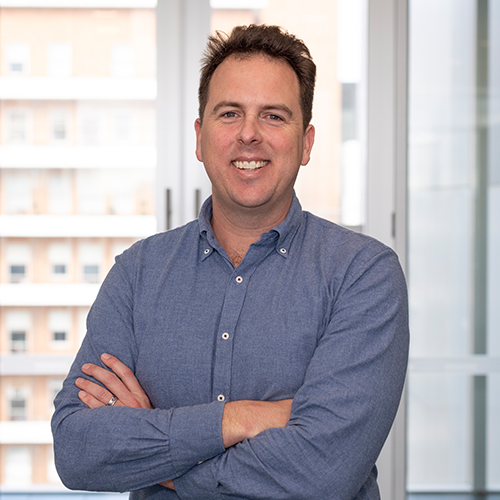
A/Prof Jim Whittle
- BrainPOP Clinical Lead
- Co-Head Research Strategy, The Brain Cancer Centre
- Neuro Oncologist, Peter MacCallum Cancer Centre
- Lab Head, WEHI

Prof Kate Drummond AM
- Director Neurosurgery, Royal Melbourne Hospital
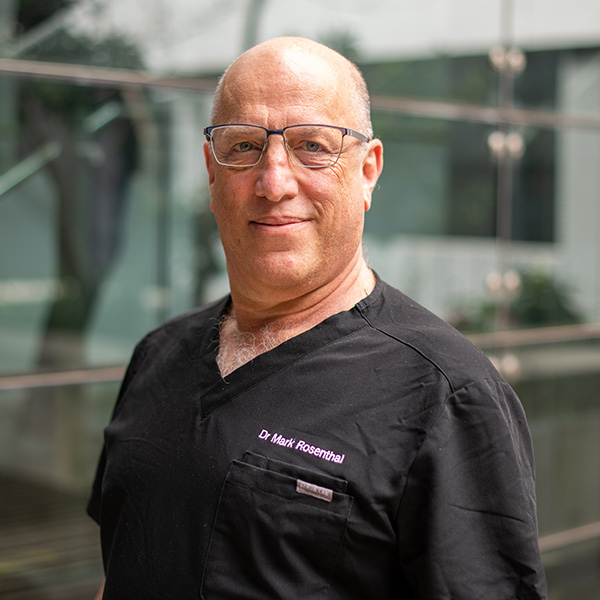
Prof Mark Rosenthal
- Neuro-Oncologist, Peter MacCallum Cancer Centre
- Director Parkville Cancer Clinical Trials Unit
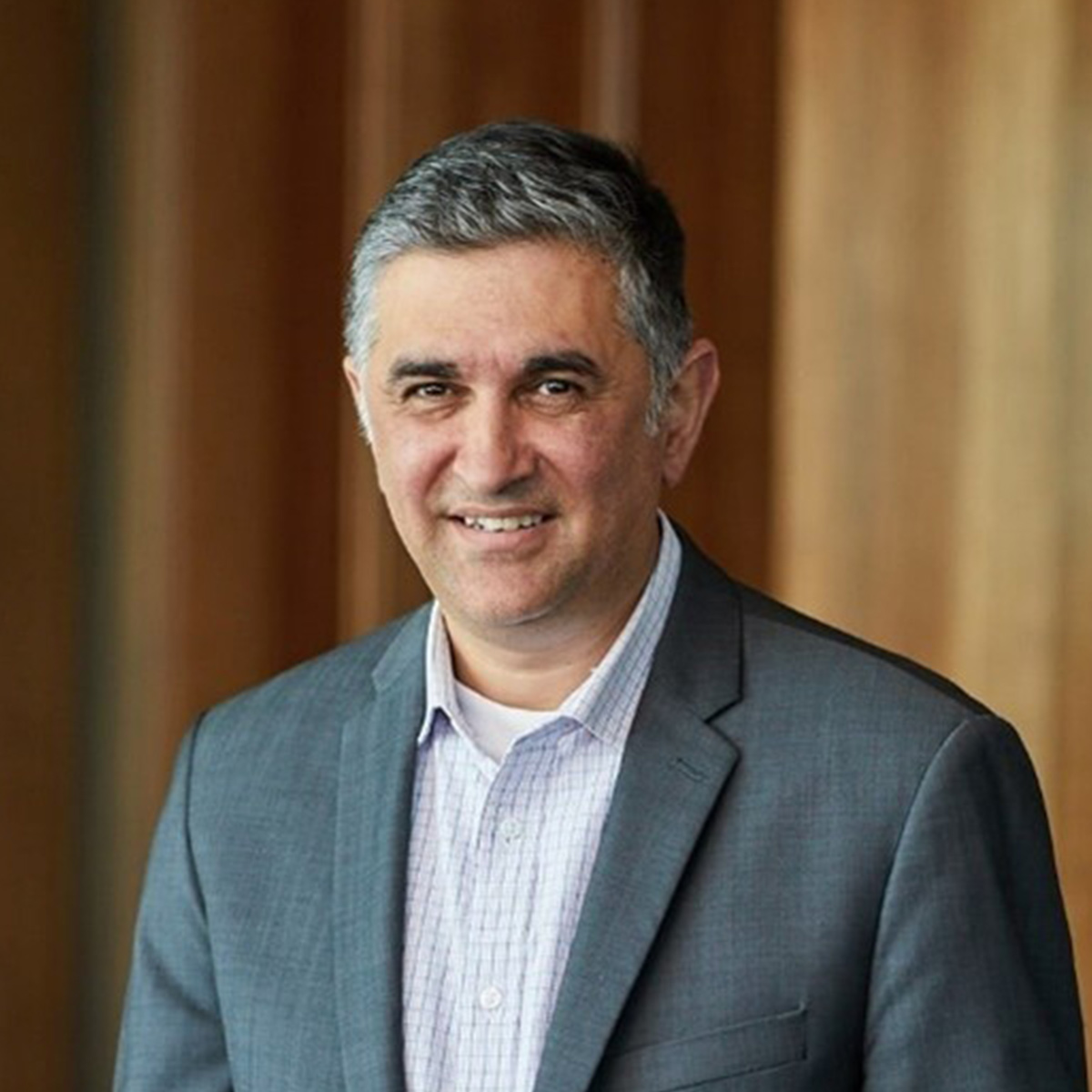
Prof Jayesh Desai
- Lead Early Drug Development, Peter MacCallum Cancer Centre.
- Associate Director Clinical Research Lead Industry Alliance and Partnerships
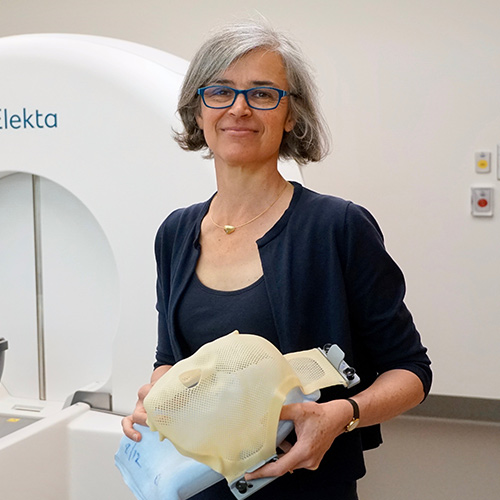
A/Prof Claire Phillips
- Deputy Director of Radiation Oncology, Peter MacCallum Cancer Centre
- Radiation NeuroOncology Lead
- Lead Victorian Gamma Knife Service

Prof David Eisenstat
- Professor, Department of Paediatrics, University of Melbourne
- Children’s Cancer Foundation & My Room Children’s Cancer Charity Chair in Childhood Cancer
- Consultant Paediatric Oncologist/Neuro-Oncologist, The Royal Children’s Hospital
- Group Leader, Neuro-Oncology, Murdoch Children’s Research Institute
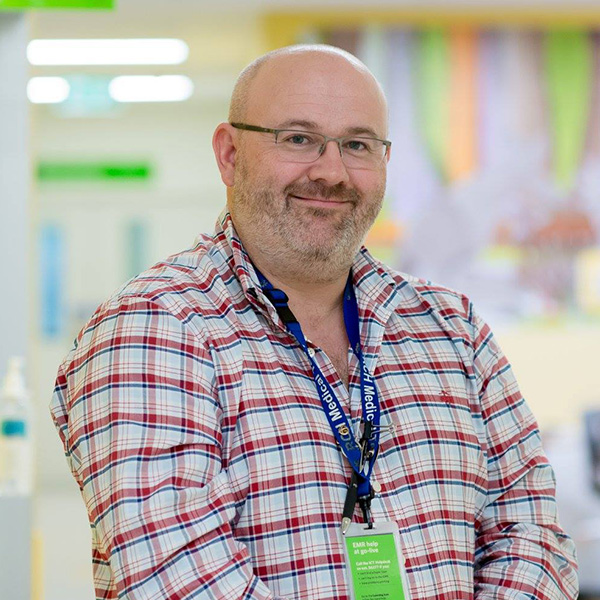
A/Prof Jordan R Hansford
- Paediatric Neuro Oncologist
- Program lead, Neuro Oncology, South Australian Health and Medical Research Institute
- Proton integration lead

Prof Misty Jenkins
- Co-Head Research Strategy, The Brain Cancer Centre
- Lab Head, WEHI
Program Manager

Rob Tobler
Consumer Coordinator
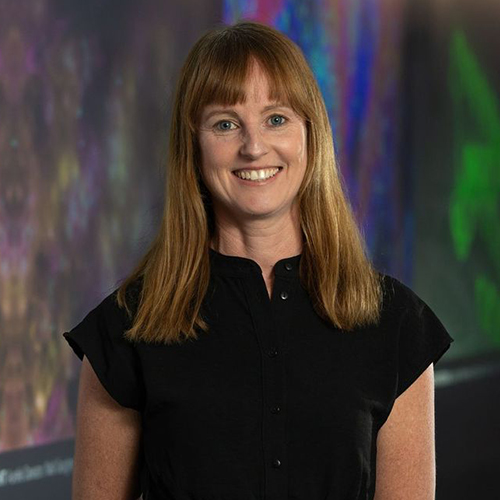
Linda Hawkins
BrainPOP Consumer Reference Group

Title Firstname Surname
Position and organisations
Title Firstname Surname
Position and organisations
Title Firstname Surname
Position and organisations